


Toogle






How to Choose the Right Pool Cleaning System
An automatic pool cleaner saves hours of brushing and vacuuming. There are three main kinds, and each one gets its power differently. That affects what it picks up, how it fits your equipment, and what it costs to run.
Suction-side cleaners
A suction cleaner connects by hose to your skimmer or a dedicated suction port. Your pool pump provides the power, and the debris it collects goes into your pump basket and filter.
- Good for: fine dirt, sand and small debris; budget-friendly setups.
- Keep in mind: it adds load to your filter, so you'll clean the filter more often. Large leaves can clog it. It needs a pump with enough suction.
Pressure-side cleaners
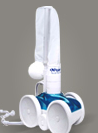
A pressure cleaner connects to a return line and uses water pushed by the pump, sometimes with help from a separate booster pump, to drive itself around the pool. It collects debris in its own bag, so your filter stays cleaner.
- Good for: leaves, acorns and larger debris; pools with a lot of trees nearby.
- Keep in mind: booster-pump models use extra electricity. Bags, tires and hoses are routine wear parts.
Robotic cleaners
A robotic cleaner is self-contained. It has its own drive and pump motors and its own filter basket or bags, and runs on low-voltage power from a power supply that plugs into a GFCI outlet. It works independently of your pool pump.
- Good for: the most thorough cleaning; many models climb walls and scrub the waterline. They are usually the most energy-efficient choice and take load off your filter.
- Keep in mind: higher upfront cost; you empty its basket after use; it needs to be lifted out of the pool, and cables can tangle without a swivel.
Questions that narrow it down
- What debris do you get? Mostly fine dirt points to suction or robotic. Lots of leaves points to pressure-side or a robot with a large basket.
- What's your pool surface and shape? Check that the cleaner is rated for your surface (plaster, vinyl or fiberglass) and in-ground vs. above-ground pools.
- What equipment do you have? A dedicated cleaner line or booster pump makes pressure cleaners an easy fit. A variable-speed pump may need a higher speed setting for suction cleaners to work.
- Do you want wall and waterline cleaning? Robots generally do this best.
- Budget over time: compare the price plus energy use and replacement parts, not just the sticker price.
Keeping any cleaner working
- Empty bags, baskets and the skimmer and pump baskets regularly.
- Check tires, tracks, brushes and hoses for wear. Worn parts are the most common reason a cleaner slows down or gets stuck.
- Store robots out of direct sun, and rinse them after use in salt or heavily treated water.
- Keep water chemistry balanced. Harsh water shortens the life of rubber and plastic parts.
If your cleaner stops moving or misses spots, see Pool Cleaner Not Moving. Shop Robotic Pool Cleaners & Parts, Suction & Pressure Cleaners & Parts, Pool Cleaner Bags and Pool Cleaner Hoses.