


Toogle






Pool Winterizing and Spring Opening Parts Checklist
Closing a pool properly in the fall protects your equipment from freeze damage and makes spring opening faster and cheaper. Opening day is also the best time to replace worn O-rings, gaskets, and small parts before the swimming season starts. This checklist covers the parts and supplies to have on hand for both jobs. Exact steps depend on your climate, pool type, and equipment, so always follow your equipment manuals.
Safety note: Turn off power to the pump, heater, salt system, and other equipment at the breaker before draining or disassembling anything. Use a blower made for pool lines, not a high-pressure air compressor, which can damage filters, valves, and plumbing. Handle pool chemicals according to their labels and never mix them. If you have a gas heater, leave anything beyond draining it to a licensed technician.
Part 1: Fall closing (winterizing)
Before you start
- Balance the water and test it a few days before closing. Water left balanced over the winter is less likely to stain or scale surfaces. Use a reliable kit from Water Test Kits & Reagents.
- Clean the pool: brush, vacuum, and empty the skimmer and pump baskets.
- Clean the filter thoroughly so it doesn't sit dirty all winter.
Lowering the water and clearing the lines
In freezing climates, water left in plumbing and equipment can expand and crack pipes, pump housings, filter tanks, and heater parts. The usual approach is to lower the water level, blow water out of the skimmer, return, and other lines, and then plug them. How far to lower the water depends on your cover type and pool; check with your cover or pool manufacturer.
Winterizing parts checklist
- Winter plugs for return lines and fittings, sized to your pipes and fittings. Find these in Pipe Fittings & Adapters.
- Skimmer plugs or ice compensators, which seal the skimmer line and absorb ice expansion inside the skimmer. See Skimmers & Skimmer Parts and Pipe Fittings & Adapters.
- Pool antifreeze made for pool plumbing, if your area or pool professional recommends it for lines that can't be fully cleared. Never use automotive antifreeze. See Pool & Spa Chemicals.
- Winterizing chemicals as recommended for your pool, such as a closing kit or algae prevention product.
- A winter or safety cover in good condition, plus any water bags, clips, or anchors it uses. See Winter Pool Covers and Pool Covers & Reels.
Draining the equipment
- Pump: remove the drain plugs and keep them in the strainer basket so they don't get lost. Some owners store small pumps indoors.
- Filter: open the drain and air relief valves. For multiport valves, follow the manual for the winter position. Many manufacturers recommend storing cartridges clean and dry indoors.
- Heater: drain the heat exchanger following the manual, or have a technician do it. Gas heaters should have the gas supply turned off.
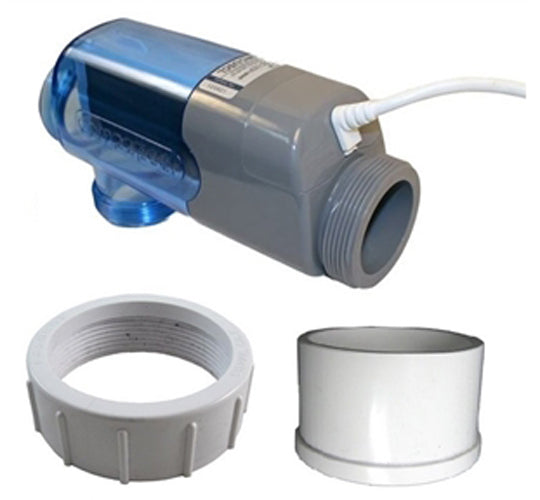
- Salt cell and chlorinators: many manufacturers recommend removing and storing the cell indoors. Drain any chemical feeder.
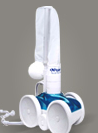
- Cleaners: remove automatic cleaners, rinse them, and store them out of the weather.
If you find a cracked basket, a hard O-ring, or a damaged plug while closing, write it down now. It's easier to order in fall than on opening day.
Part 2: Spring opening
Opening parts checklist
Rubber parts dry out over the winter, so opening is the time to inspect them and replace what's worn:
- Pump lid O-ring and pump drain plug O-rings
- Filter tank O-ring and air relief valve O-ring
- Multiport or push-pull valve gaskets and O-rings, especially if you see water coming out the waste line during normal filtering
- Union O-rings at the pump, filter, and heater
- Silicone-based O-ring lubricant (not petroleum jelly)
Find all of these in O-Rings & Gaskets. Equipment-specific kits make it easy to replace everything at once.
Other parts worth checking
- Pressure gauge: a gauge that reads above zero with the pump off, or has fogged up, should be replaced. See Pressure Gauges.
- Pump and skimmer baskets: look for cracks. See Strainer Baskets and Pump Lids, Baskets & Housings.
- Skimmer weirs and lids: check for cracks and missing parts. See Skimmers & Skimmer Parts.
- Filter media: inspect cartridges or D.E. grids, and check sand condition. See Pool Filters.
- Return fittings, eyeballs, and drain covers: make sure drain covers are intact and secure. Replace any that are cracked, loose, or past the replacement date marked on them. See Drains, Returns & Wall Fittings.
- Ladders and rails: check bumpers, treads, and anchors. See Ladders, Rails & Steps.
Opening steps in brief
- Remove, clean, and dry the cover before storing it.
- Remove winter plugs and ice compensators, and reinstall drain plugs, gauges, and other equipment parts.
- Bring the water level back up to the middle of the skimmer.
- Prime and start the pump, open the filter's air relief valve until water flows, and check for leaks.
- Restart the heater and salt system following their manuals, once water is flowing properly.
- Test and balance the water, then shock or sanitize as needed.
- Run the filter continuously until the water is clear, cleaning the filter as pressure rises.
Our weekly maintenance guide covers what to do once the pool is running.
Want help putting together your opening or closing parts list? Use the chat on this page or reach us through our contact page with your equipment models, and we'll help you find the right parts.